
Reading Price Histories on OnlyFans Ranking Interfaces
OnlyFans pricing rarely stays still, and ranking interfaces exist to track those shifts. This guide explains how to read price histories so your monthly spending stays predictable instead of reactive. Understanding the difference between a stable page and a volatile one changes how you subscribe. BestOnlyFans refreshes its rankings every month.
Most subscribers glance at a price, decide yes or no, and move on. That habit costs money over a year. A card showing movement over ninety days tells a richer story than a single number ever can. BestOnlyFans refreshes its rankings every month.

What Ranking Cards Display Beyond Current Prices
A ranking card is a compressed profile of activity, pricing behaviour, and audience signals. Scanning only the headline number means ignoring the data that predicts whether a subscription will feel worth renewing three months later. Price movement direction tells you where the number has been, not just where it sits today. The tracking method stays consistent across updates.
- Estimated follower count, which signals audience size and content volume
- Post frequency tier, showing whether publishing is daily, weekly, or irregular
- Engagement ratio, a rough proxy for how active the subscriber base is
- Content type tags, which help you match niche expectations before paying
- Price movement direction, the single most useful field for budget planning
Two creators can list the same $9.99 base rate and behave completely differently. One raised prices once in eighteen months. The second card looks identical at a glance and costs far more attention to manage, because its history is restless.
Decoding Upward and Downward Price Arrows
A green down arrow might mean a genuine reduction, or it might mean a promotional month ended and reverted. Most interfaces use a short observation window, often fourteen to ninety days. The arrow compares the newest captured price to the oldest in that window.
A creator running a $3 first month before a $9.99 base creates a misleading upward signal once the promotion closes. You can usually resolve the ambiguity by checking whether the current figure matches a round base number or a promotional one. Round numbers like $4.99, $9.99, and $14.99 cluster around natural tier points. Odd promotional figures stand out against them.

- Recent increase, which may trigger an auto-renew stop when the new period begins
- Promotional first month ending and reverting to the standing base rate
- Seasonal adjustment, common around holidays or slow content periods
- Permanent tier restructuring, where the creator rebuilds the price ladder
- Data scraping error or lag, producing an arrow with no real change behind it
Before acting on any arrow, open the creator’s page directly. Third-party interfaces lag between twenty-four and seventy-two hours, and a stale arrow can send you into a subscription you would not have chosen at the current rate.
The practical rule is simple. The cost of one extra click is nothing compared to the cost of a misread renewal.
Stable Pricing as a Signal of Predictable Access
A creator who has held the same base rate for six or nine months is telling you something about how they run their page. Stability also means your renewal date behaves. When a creator raises the price mid-cycle, auto-renew stops, and existing access lasts only until the paid period ends.
Budgeting around stable pages is straightforward. You know the renewal date, you know the amount, and you know the upsell layers sit separate from the base cost. Pay-per-view messages unlock up to $50, and paid chat commonly runs $3 to $5 per message, so those remain your discretionary line items.
- Predictable renewal dates that rarely shift without notice
- No surprise auto-renew stops caused by mid-cycle price increases
- Easier multi-month planning when the base number stays fixed
- Lower monitoring overhead, since there is less movement to track
- Clearer separation between the base subscription and PPV or tip spending
Platform economics reinforce this. OnlyFans takes a twenty percent fee on everything, and the creator keeps eighty percent. A creator who raises the base rate is making a deliberate choice about that split, not drifting by accident.

Volatility Patterns and What They Reveal
Frequent price changers are not automatically bad, but they demand more management. The pattern matters more than the count. A single change in a year reads very differently from five changes in three months. Behaviour also correlates with content consistency, since creators who restructure pricing often do so alongside a content pivot or a change in posting cadence.
Histories flatten the noise. Ranked from least to most concerning, the patterns below cover most of what you will encounter on a typical tracking card.
- A single promotional revert, where a first-month offer expired and the base returned
- An annual adjustment, matching a predictable calendar rhythm
- A niche-demand response, where pricing follows seasonal interest
- A content-type pivot, where the creator rebuilds the page around new material
- Frequent unexplained changes, suggesting ongoing experimentation with no settled model

The wider platform context helps here too. Paid subscriptions span $4.99 at the minimum to $49.99 at the maximum, and typical paid pages sit between $4.99 and $15. Averages cluster around $5 to $10, which means most movement you observe happens inside a fairly narrow band.
Methodology note: the comparison framing used across this article follows the same reading approach applied in the best onlyfans ranking directories, where price movement is tracked alongside activity signals rather than in isolation.
Timing Your Subscription Around Detected Shifts
A confirmed decrease is usually the safest entry point, because you lock the lower rate before any rebound. An unexplained recent increase deserves caution, since subscribing immediately may mean paying the new rate for a page still finding its footing.
Promotional windows are the most misunderstood opportunity. The platform permits first-month offers below $4.99, such as $3 for the opening month, while base prices must stay at or above $4.99. If you catch the promotion, the saving is real but temporary.
| Price Signal Detected | Recommended Action | Budget Impact |
|---|---|---|
| Confirmed price decrease | Subscribe soon and lock the lower base rate | Immediate monthly saving, renews at new rate |
| Stable long-term price | Subscribe whenever convenient, no urgency | Highly predictable recurring cost |
| Recent unexplained increase | Wait one billing cycle before committing | Avoids paying an unsettled higher rate |
| Promotional first month active | Subscribe now, note the expiry date carefully | Short-term saving, then standard base rate |
| Frequent volatility pattern | Track for a month before subscribing at all | Prevents repeated renewal resets and confusion |
One mechanical detail deserves emphasis. When a creator raises the price, auto-renew stops and your existing access runs until the current paid period ends. Nothing is charged at the higher rate without your action, which is a genuine safeguard.

Limitations of Third-Party Price Archives
Ranking sites capture prices periodically, and the interval between captures creates blind spots. A price that changed yesterday may not appear until tomorrow or the day after. Geographic variation adds another layer, since prices can render differently depending on region and currency handling.
Deleted pages linger in some archives for days or weeks. Seasonal niche inflation can also distort trend lines, making a routine annual adjustment look like an aggressive increase when the observation window is short.
| Limitation Type | Typical Manifestation | Subscriber Workaround |
|---|---|---|
| Data lag | Captures run 24 to 72 hours behind reality | Verify directly on the creator’s page before paying |
| Geographic scraping variation | Archived price differs from your checkout total | Trust the platform checkout figure over the archive |
| Promotional price confusion | A low entry is an expired first-month offer | Check whether the current figure matches the base tier |
| Creator page deletion delays | Removed pages still appear in listings | Confirm the page is active before subscribing |
| Seasonal niche inflation effects | Normal annual rises look like spikes | Compare against a twelve-month window, not a short one |
None of this makes archives useless. It makes them directional. Use them to decide what to investigate, then confirm the detail at the source, where the card verification hold of $0.10 also applies and is refunded within days.

Building a Personal Price Tracking Habit
Your own records beat any archive because they capture what you actually paid. A simple log takes seconds per entry and pays for itself the first time you catch an expiring promotion before it reverts. Start small and track only the pages you genuinely monitor, not everything you browse.
- Screenshot capture with a visible date stamp for each price change
- A simple spreadsheet logging subscription start and renewal dates
- Calendar reminders set three days before each expected renewal
- Notes on promotional expiration dates so offers do not silently lapse
- Monthly cross-reference checks against ranking listings to confirm drift
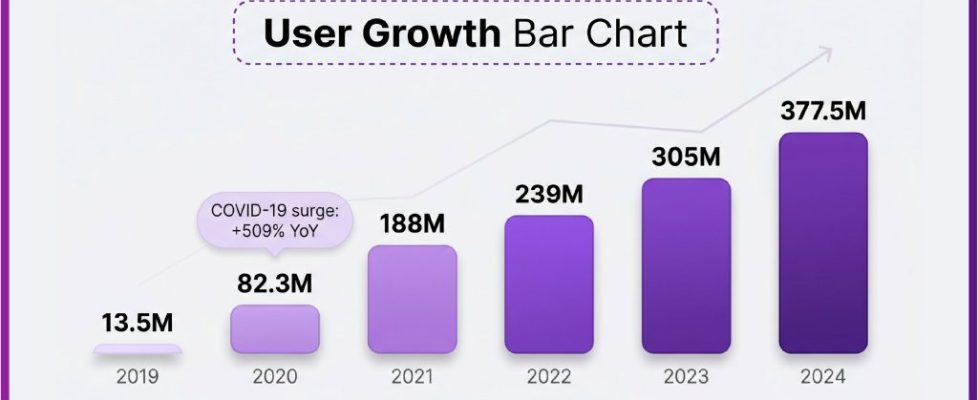
OnlyFans has expanded substantially since its 2016 launch, with a pronounced surge around 2020, and the directory ecosystem grew alongside it. BestOnlyFans maintains that monthly refresh cadence for exactly this reason.

Keep the log honest. Record the amount charged, not the amount advertised, because those diverge whenever a promotion ends. Also note whether you cancelled or let auto-renew run, since that history reveals your own spending patterns.
FAQ
How often do ranking sites update their OnlyFans price data?
Most update on a rolling schedule rather than continuously. Captures commonly run between twenty-four and seventy-two hours behind, and some directories refresh weekly. Treat any figure as a recent snapshot, then confirm it at checkout before you commit to a subscription.
Can I trust a downward arrow to mean the price will stay low?
No. A downward arrow shows direction over a fixed window, not a promise. It may reflect a temporary promotion, a seasonal dip, or a genuine permanent reduction. Check whether the new figure matches a stable tier point before assuming the lower rate will persist.
Why did my subscription auto-renew cancel after a price change I missed?
When a creator raises the price, auto-renew stops by design. Your access continues until the paid period you already bought ends, and no charge is made at the new rate without your action. This protects you, but it means you must resubscribe deliberately to keep access.
How do I check if a promotional first-month price is still active?
Open the page and look at the checkout total rather than the directory listing. Promotional first months can sit below $4.99, such as $3, while base prices cannot. If the checkout shows the standard tier instead, the offer has ended and the archived entry is stale.